 Cartilage
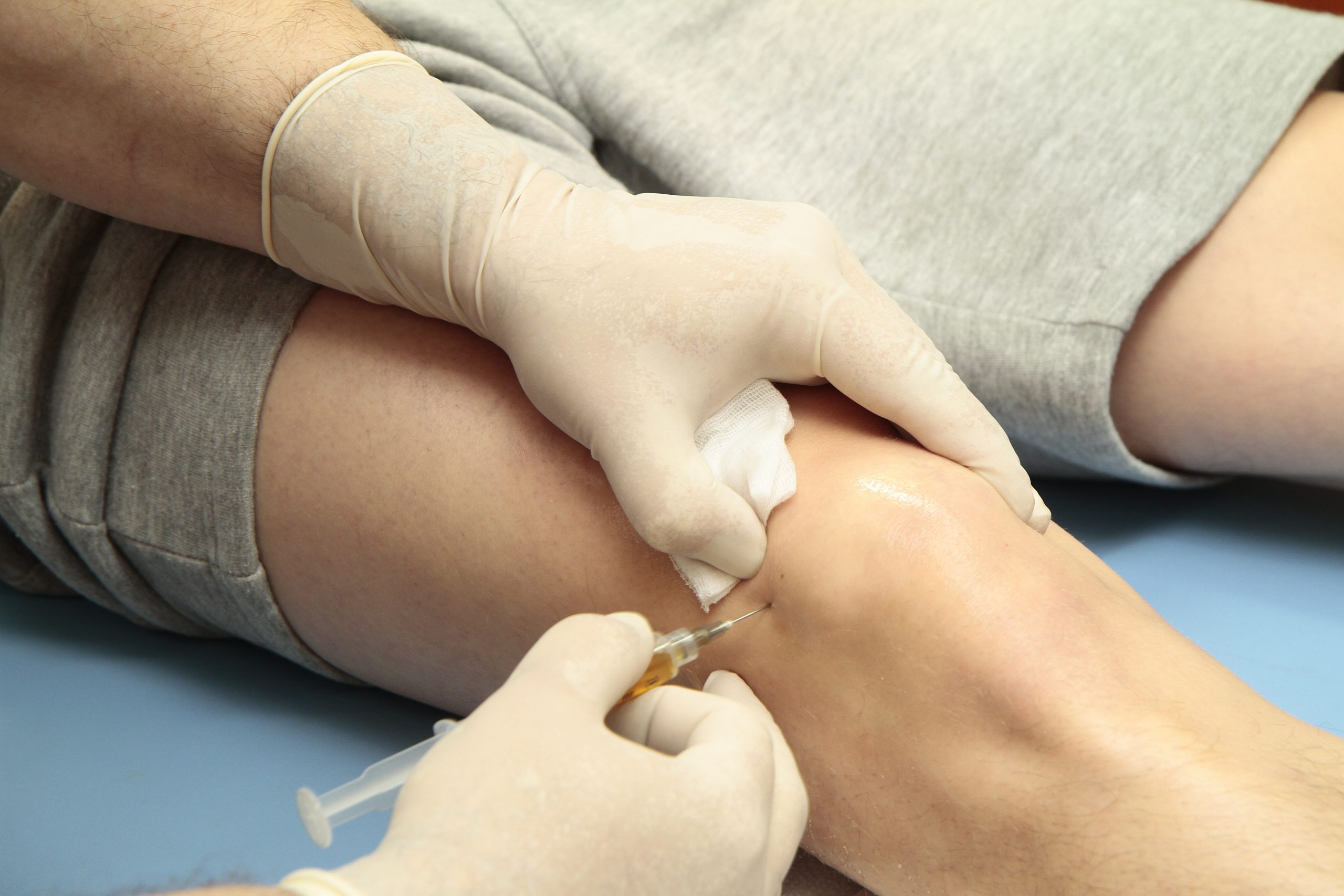 Knees
Knees Hip
Hip Shoulder
Rebuilding Mobility After ChondroFiller Treatment
28/02/26


The knee is one of the most vital joints in our bodies, allowing us to walk, run, and enjoy smooth movement . A key ingredient in this seamless function is cartilage—a smooth, rubbery tissue that cushions and protects the ends of our bones. But what happens when cartilage becomes loose? Loose cartilage means small fragments have broken off from the main cartilage layer, which can lead to discomfort and disrupt normal knee motion. Understanding this condition is important because it can seriously affect your day-to-day movement and overall quality of life. Recent research has shed new light on the effects of loose cartilage and opened the door to innovative treatment opportunities.
Articular cartilage is a specialized tissue covering the ends of bones within our joints , like the knee. It acts as a shock absorber, reduces friction, and stops bones from rubbing directly against each other. Made mostly of water, collagen (a strong protein), and cells called chondrocytes that help maintain the tissue, healthy cartilage is firmly anchored to the bone below it.
Unfortunately, injury , aging, or repetitive stress can cause pieces of cartilage to come loose or break off entirely. These loose fragments can float in the knee joint, disrupting the joint’s fluid movement and causing symptoms like pain, catching, or even a locking sensation. This is why keeping cartilage healthy and intact is so important for smooth knee function.
Loose cartilage isn’t just about pain—it can throw off the delicate balance of how your knee moves . When fragments break off, they can float within the joint, interfering with the normal movement of bone surfaces. This can make your movement feel stiff or jerky, and if a fragment gets caught between the bones, your knee might lock up or suddenly give way.
Even worse, these loose pieces can trigger inflammation. While inflammation is your body’s way of protecting itself, too much can cause swelling and further harm the joint. Over time, this cycle of irritation and wear can increase the risk of osteoarthritis —a long-term joint condition that’s painful and limiting. In short, loose cartilage can undermine not just your current knee function, but also set the stage for bigger joint problems in the future.
If you have loose cartilage in your knee , you might notice ongoing pain, persistent swelling, or a sensation that your knee is unstable or locks up unexpectedly. However, these symptoms are similar to many other knee problems , which can make identifying loose cartilage challenging .
Standard X-rays are great for viewing bones but don’t show cartilage or loose fragments well. MRI scans, on the other hand, provide a clearer view of soft tissues like cartilage. In certain cases, doctors may recommend an arthroscopy—a minimally invasive procedure using a small camera to look directly inside the joint—to confirm the diagnosis.
Understanding these diagnostic challenges is crucial, as early and accurate detection allows for more effective and targeted treatment before additional joint damage occurs.
The main goals in treating loose cartilage are to relieve symptoms and, if possible, repair the damage. Many people start with non-surgical options such as physiotherapy to strengthen the muscles supporting the knee , paired with anti-inflammatory medications to control pain and swelling.
If these measures don’t resolve the symptoms—especially if mechanical issues like locking persist— arthroscopic surgery might be recommended. During this minimally invasive procedure, surgeons remove the loose cartilage fragments from the joint, which often provides noticeable relief.
Looking beyond removal of loose fragments, new treatments aim to heal and restore damaged cartilage . Procedures like microfracture surgery encourage new cartilage growth by creating tiny holes in the underlying bone, prompting the body to repair the damaged area. Another innovative approach, autologous chondrocyte implantation , involves taking a patient’s own cartilage cells, cultivating them in a lab, and then implanting them back into the knee to repair injuries. Advances in tissue engineering are also creating new types of cartilage grafts, offering the potential to better restore the knee’s surface.
These emerging therapies are promising, with the aim not just to manage symptoms but to help the knee return to normal function and prevent future problems.
Loose cartilage in the knee can cause pain, instability, and, if not treated, may lead to further joint damage. Early recognition and proper diagnosis are key to effective management. With ongoing advances in both surgery and regenerative medicine , more options are available than ever to help restore joint health and maintain quality of life. Continued research and innovation will be essential in developing even better solutions, helping people with loose knee cartilage stay active and comfortable for years to come.
Jacobson, W. (1889). A case of loose body in the knee-joint, formed by the detachment of a piece of the articular cartilage by an injury. The Lancet, 134(3443), 363-365. https://doi.org/10.1016/s0140-6736(02)29621-x
London Cartilage Clinic excels in advanced diagnostics and personalised care for knee cartilage conditions. Led by Prof Lee, who has extensive experience and a pioneering approach, the clinic offers innovative treatments supported by the latest research. Patients benefit from evidence-based therapies within a specialised centre focused on cartilage restoration.
Prof Lee brings years of clinical and academic expertise in treating complex knee cartilage problems. His involvement in cutting-edge research and his skill in both established and emerging techniques ensure patients receive the most current, tailored solutions. Prof Lee’s reputation attracts those seeking expert, specialist cartilage care in London.
The clinic offers a full range of treatments, from physiotherapy and minimally invasive surgery to advanced cartilage regeneration techniques like microfracture and autologous chondrocyte implantation. London Cartilage Clinic stays at the forefront of tissue engineering, providing patients access to innovative therapies that aim to restore natural knee function.
London Cartilage Clinic uses a combination of state-of-the-art MRI imaging and, where necessary, arthroscopy to accurately diagnose cartilage problems. This approach allows Prof Lee and his team to identify subtle cartilage damage that might be missed elsewhere, ensuring patients receive a precise diagnosis and a personally tailored treatment plan.
Prompt diagnosis and care can help prevent long-term joint damage, such as osteoarthritis. At London Cartilage Clinic, early intervention using modern technology and specialist expertise maximises patients’ chances of regaining comfortable, stable knee movement, supporting their long-term joint health and mobility.
All our treatments are selected to help patients achieve the best possible outcomes and return to the quality of life they deserve. Get in touch if you have any questions.
At London Cartilage Clinic, we are constantly staying up-to-date on the latest treatment options for knee injuries and ongoing knee health issues. As a result, our patients have access to the best equipment, techniques, and expertise in the field, whether it’s for cartilage repair, regeneration, or replacement.
For the best in patient care and cartilage knowledge, contact London Cartilage Clinic today.
At London Cartilage Clinic, our team has spent years gaining an in-depth understanding of human biology and the skills necessary to provide a wide range of cartilage treatments. It’s our mission to administer comprehensive care through innovative solutions targeted at key areas, including cartilage injuries. During an initial consultation, one of our medical professionals will establish which path forward is best for you.
Contact us if you have any questions about the various treatment methods on offer.
Legal & Medical Disclaimer
This article is written by an independent contributor and reflects their own views and experience, not necessarily those of londoncartilage.com. It is provided for general information and education only and does not constitute medical advice, diagnosis, or treatment.
Always seek personalised advice from a qualified healthcare professional before making decisions about your health. londoncartilage.com accepts no responsibility for errors, omissions, third-party content, or any loss, damage, or injury arising from reliance on this material. If you believe this article contains inaccurate or infringing content, please contact us at [email protected].